
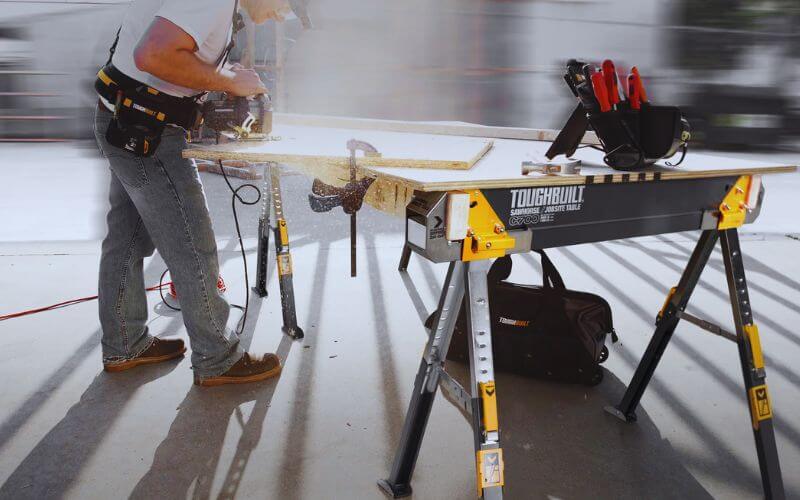
ToughBuilt Industries is kind of a familiar name if you’ve picked up a tool at a big hardware chain lately. They’re known for stuff like kneepads, tool belts, bags gear you see swinging off contractors and weekend DIYers all over. They’re still open for business right now, but things have been rough. If you’ve heard rumors they’re shutting down, here’s what’s actually going on.
Yes, the Company Is in Serious Trouble
Let’s cut to it: ToughBuilt is not going out of business as of August 2024. They’re still filling orders, selling products, and making moves. But there are real reasons behind the worried chatter and it’s not just the usual Wall Street drama.
The Nasdaq Problem: Why the Stock Disappeared
On August 9, 2024, Nasdaq suspended trading for ToughBuilt’s stock. That sounds dramatic, but this happens when a company fails to meet the exchange’s rules. In this case, they fell behind on their official filings basic financial paperwork that investors (and the SEC) expect. They hadn’t filed their 2023 annual report or the quarterly reports for early 2024.
Losing Nasdaq isn’t always a death sentence. Sometimes it’s just a warning sign that a company’s struggling to keep up, which is definitely true here. ToughBuilt still trades on the OTC Markets now first on the “Pink” tier, which nobody loves, but maybe they’ll upgrade back to a less sketchy category if they catch up on paperwork.
“Is It Making Money?” The Hard Numbers
Not really. ToughBuilt booked a net loss of $46.45 million in 2023. That sounds bad because it is. The year before was even gloomier, but in both years, they lost more money than they took in. Their 2023 revenue was $76.27 million (down nearly 20%), so there are sales happening, but the company’s burning more than it earns.
Go back further, it’s a pattern. In 2018, ToughBuilt lost $27.65 million and never really returned to positive equity. As of December 2023, their shareholder equity was negative $9.7 million. That just means their debts and losses outweigh what the company is technically “worth” to its owners.
Debt, Cash Problems, and Why It Matters
How deep is the money hole? They’ve got $288,600 in debt on the books, which isn’t massive for a public company, but with negative equity, the debt-to-equity ratio comes out negative (around -3%). That just looks weird and scares off a lot of banks and investors.
Cash flow the money coming in versus what’s going out is a problem too. They’ve been running with a negative working capital of more than $5 million. That means if everyone ToughBuilt owes money to called in debts tomorrow, they’d be short.
You might wonder, “Can’t they just borrow more?” That’s tough. Lenders see the financials and worry. The company’s also at risk of breaking covenants, those little banking promises you make to get loans. If they break those, things can get dicey real quick.
Bankruptcy Watch: Is This Really an Emergency?
Okay, so what about bankruptcy? It’s not happening yet. MacroAxis, a risk analysis site, gives them a bankruptcy odds number between 65% to over 100%. So, in plain English, analysts expect a bankruptcy filing is likely unless things change. Wall Street isn’t much kinder they call it an 80% chance of financial distress.
This doesn’t mean there’s a bankruptcy court date tomorrow, though. Sometimes these grim predictions chase companies for ages before anything official happens.
How Is ToughBuilt Trying to Keep Afloat?
Right now, the company is scrambling to fix its paperwork issues. They’re prepping those late 10-Q reports for the SEC these are just standard quarterly snapshots that every public company is supposed to produce on time. If ToughBuilt can get those in, there’s a (theoretically slim) shot at returning to Nasdaq.
They’ve put Monica Pitterle (a CPA with some street cred) on their board as an independent director and Audit Committee chair. Why does that matter? Well, one of the reasons Nasdaq delisted them was a lack of “independent” directors. This is part of an effort to look more responsible, at least on paper, and maybe convince investors or bigger exchanges they’re cleaning things up.
As for the product side, they’re still around. You’ll still see their stuff on shelves next to Dewalt or Milwaukee or whatever else is in the aisle. There were rumors about the company missing payments on a facility in North Carolina, but that hasn’t become an official closure.
What’s Actually Happening in Stores?
ToughBuilt’s products are still shipping. If you buy online or go into a hardware store, the tools are there. Brands in this spot sometimes get hobbled by low stock, supply hiccups, or ugly price cuts. None of that seems headline-worthy yet, but the risks are real if they can’t pull extra cash or steady the revenue problem.
The company’s overall value (market cap) is now only about $3.1 million. For a public company, that’s tiny some folks’ tool collections are probably worth more than that in a workshop somewhere. The stock price has been all over the place: up 107% over three months but down 76% across the past year.
So…Is This the End for ToughBuilt?
Not yet. The company itself says they’re still here and intent on sticking around. In August 2025, they made it clear they’re not shutting the doors, even if they’re limping badly. “Wounded” is the word some analysts use. The press hasn’t seen any bankruptcy paperwork, and there are no out-of-business signs anywhere official.
You can see why folks might worry, though. When a company gets kicked off Nasdaq, cuts independent directors, loses money for years, and posts yet another big loss, it’s a cocktail for concern. Rent rumors and a shrinking company size just add to the feeling that time isn’t exactly on their side.
On the flipside, ToughBuilt hasn’t thrown in the towel. They haven’t started liquidation sales or anything drastic. They’re actually following a pretty routine script for troubled public companies: scramble for compliance, swap out some board members, and talk up new business where they can.
It’s worth mentioning that this isn’t exactly unusual, especially in the hardgoods market where margins are thin and competitors are bigger. Plenty of companies have gone through rough patches like this. Some quietly fold. Others manage to swing a turnaround.
For folks who invest in penny stocks or follow the tool world, it’s a lesson in how quickly fortunes can shift. One year you’re expanding, the next year you’re hustling just to file SEC forms on time.
Keep An Eye on the Next Moves
Here’s what matters for the next few months. If ToughBuilt files its overdue financials, maybe there’s a shot at stabilizing. If not, regulators could get more involved, and creditors tend to get less patient when paperwork is late.
If revenue keeps dropping and there’s no fresh financing, they may have to make tougher choices about layoffs, product lines, or even selling the business. No sign of that happening by summer 2025, but the margins are uncomfortably slim.
For anyone deeply interested in business tips, strategies for dealing with tough financial times, or how small companies can weather storms like this, it’s worth looking for new updates you can check out sites like Epic Business Tips for ongoing analysis and news.
But don’t expect a final chapter just yet. Unless a bigger investor steps in or the company makes some sort of surprise recovery, ToughBuilt will have to hustle to hang on. It’s not out of business, but it’s not smooth sailing.
If you work in construction, retail, or just like to follow public companies with wild stories, keep an eye on those SEC filings and product shelves. That’s where the next real clues about ToughBuilt’s future will show up. For now, they’re front and center on the tool aisle, even if things are shaky behind the scenes.
Also Read: