
If you poke around social media or overhear conversations at the grocery store, you might start wondering: is Goodwill really going out of business? No, Goodwill is not shutting down everywhere. The reality is a lot less dramatic, but still interesting for anyone who shops there, donates, or simply likes following what’s happening with local stores.
Let’s unpack what’s actually going on with Goodwill stores the good, the bad, and what the future holds.
Goodwill Stores: More Independent Than Most People Realize
Before we get into the closures, it’s important to know that Goodwill isn’t just one giant company run from a single headquarters. It’s more like a loose collection of over 3,300 nonprofit stores and donation centers across the United States. Each store or regional group runs its own operations, manages its own finances, and makes its own decisions about hiring, locations, and when things get tough whether to stay open.
So when you hear about a Goodwill store going out of business in one city, it doesn’t mean every other Goodwill is about to close. In fact, the vast majority are still open and doing business as usual.
What’s Happening Now: Recent Goodwill Closures Are Localized
Like many retailers, Goodwill has taken some hits lately, especially in certain expensive urban areas. Over the past year, people noticed headlines about mass closures in California, especially around the San Francisco Bay Area.
But let’s be clear these closures are not part of a nationwide collapse. They’re region-specific and reflect some tough local economic realities.
The California Story: When Expenses Outpace Donations
In the Bay Area, 13 Goodwill stores, six donation sites, two regional headquarters, and a warehouse in Oakland have shut their doors. That’s a big number, and for people living nearby, it probably feels like Goodwill is vanishing overnight.
Store closures have hit neighborhoods in both Oakland and San Francisco two cities where wages, rent, and every other expense have shot up. Goodwill points to several reasons for these closures. Revenues weren’t keeping up with the rising cost of running a business there.
For example, the two major stores closing in Oakland and San Francisco impacted around 90 jobs. Staff there were given the option to transfer to other stores where possible, but for a lot of people, that might just not be practical.
But why did these stores struggle? It’s not just one thing. The cost of paying workers has gone up, and anyone who’s paid rent in California knows it isn’t cheap. Donation levels have also slipped. When fewer people drop off used clothes or household goods, there’s just less to sell. On top of all that, the cost of items in thrift stores isn’t always the bargain it once was especially when fast fashion and discount stores can offer new stuff at tempting prices.
Seattle and Other Cities Face Unique Problems
It’s not just California, though. You might have seen news about Goodwill closures in places like Seattle. There, it wasn’t so much about revenue or donations. Instead, the big problem was crime and property damage.
Some stores were hit repeatedly by theft, vandalism, and break-ins. It got to the point where keeping the doors open just wasn’t worth the risk for employees or the mounting repair bills just to keep the lights on. Add in rising rents in urban centers and the equation for staying open just didn’t add up.
It’s a picture that’s playing out in some other cities too, though not everywhere by any means.
Most Goodwill Stores: Business as Usual and New Growth Ahead
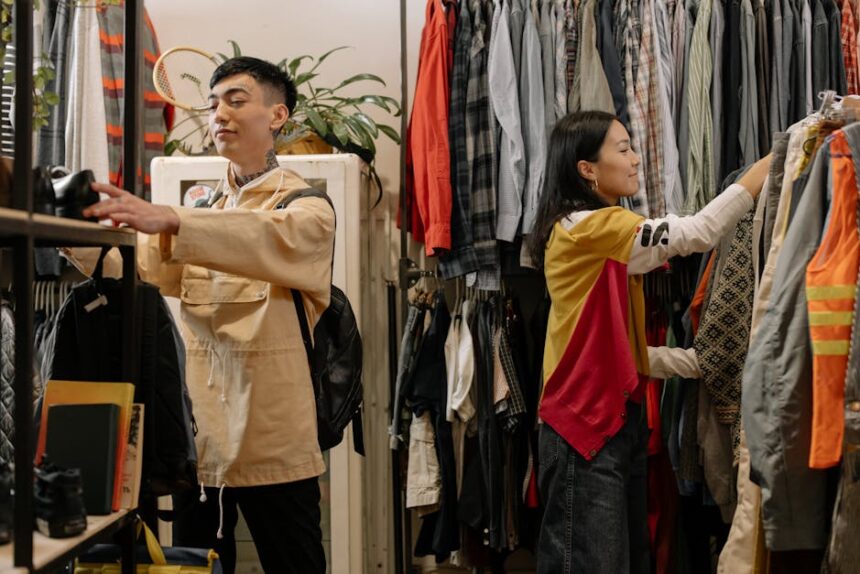
If you walk into most Goodwill stores in America right now, you’ll probably see people sorting through racks of shirts or checking out the bookshelf near the register. For the vast majority of stores, it’s business as usual.
Operations are moving forward, and some regions are even planning to open bigger, more efficient stores. Some areas hit by closures are mapping out bigger retail locations that will be more sustainable for the future, focusing on ways to cut costs and drive more sales. Leaders at various regional Goodwill chapters say the organization’s main mission isn’t going anywhere: helping people who might have trouble finding regular jobs including folks with disabilities or military veterans get work and support.
Many Goodwills are hiring, expanding donation hours, or rolling out new types of stores, like online e-commerce centers, to attract both shoppers and donors.
Why Some Goodwills Are Struggling: It’s Not Just the Economy
When you zoom out, you’ll see that the reasons behind recent troubles at some Goodwill locations are more complicated than just “the economy is bad.” For one, the way people donate has shifted. With the popularity of selling used things online think apps like Poshmark, Mercari, or Facebook Marketplace donors now often try to make a few extra bucks from clothing or electronics instead of dropping them at Goodwill.
That means fewer donations, especially of high-demand items like gently used name-brand clothes, kitchenware, or even furniture. At the same time, shoppers now see competition everywhere. Fast fashion retailers put new shirts on the rack for prices that rival gently used ones at thrift stores, while big-box retailers keep rolling out endless sales.
That mix fewer donations, higher costs, and changing shopper habits makes it harder for some Goodwill locations to stay afloat.
Goodwill’s Response: Adapting to Stay Afloat
Goodwill as a whole isn’t sitting still. Some regional groups are investing more in online selling to tap into demand for second-hand goods where their foot traffic has dropped. In some places, they have shifted resources to stores with better parking or more space for processing donations.
A few are even experimenting with different store formats. For instance, those “Goodwill Outlet” stores that sell clothing by the pound (or even by the bag) are popping up in some areas, offering a lower-overhead way to move merchandise that didn’t sell elsewhere.
For a sense of the adaptability within the Goodwill system, check out business coverage and small business resources such as Epic Business Tips, where you’ll find insights into how nonprofits and retailers alike are tweaking their approach to survive tough economies.
Still Here: The Goodwill Mission Continues
Despite the headlines, the mission at Goodwill providing jobs and support to people who face employment barriers remains the same. If you talk to longtime employees or local directors, they’ll tell you the story hasn’t changed. The organization is constantly searching for ways to keep supporting workers, even if it means moving people from closed locations to still-successful stores.
Several Goodwill regions have reassured donors and the public that they’re not planning broad layoffs or closure waves. Even in areas with big changes, plans are developing for new locations that work better in the current climate, or for more efficient operations that can weather economic ups and downs.
Store hours remain normal in most places, with standard holiday closures like New Year’s Day already posted for years out. There’s no suggestion from any regional group or the central Goodwill network that a full-scale shutdown or bankruptcy is looming.
The Bottom Line: Goodwill Stores Aren’t Disappearing Anytime Soon
If you scroll through headlines, it’s easy to worry about the future of a place as familiar as Goodwill. But most of what’s happening now is regional belt-tightening and adaptation, not the end of the line.
Some closures are real and tough for the people affected and in some cities, that means big gaps for low-income shoppers or those looking for job opportunities, too. For most people, though, your local Goodwill is still up and running, looking a lot like it always has.
So if you’re thinking of donating that bag of clothes, shopping for a deal, or just curious about how one of America’s biggest nonprofit thrift networks works, rest assured Goodwill as a whole isn’t disappearing. Like pretty much everyone else in retail, they’re adjusting, rethinking, and trying new ideas to stick around.
So the next time you see a “Goodwill going out of business” headline, you’ll know: it’s a lot more complicated than it looks. Most stores aren’t going anywhere, and the core mission helping people build better lives isn’t fading. For now, that little blue and white sign is likely to stick around the corner, still waiting for your next find or your next donation.
Also Read: