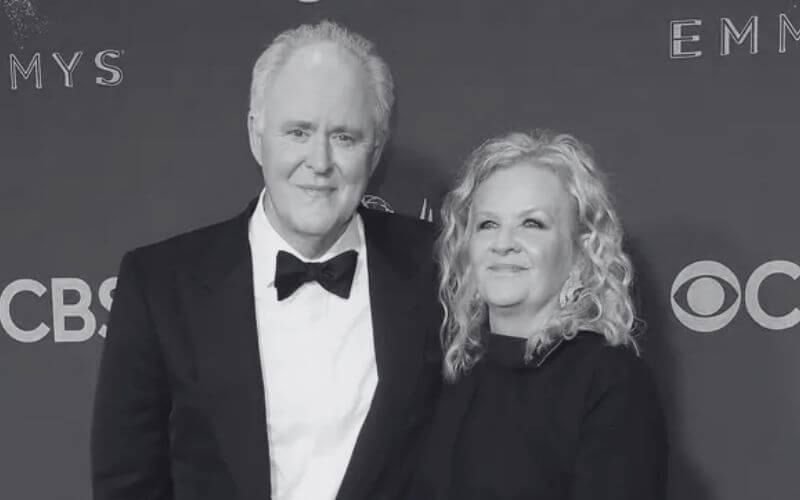
Jean Taynton may not be a name that everyone recognizes, but her contributions to education and her personal connection to renowned actor John Lithgow have left a lasting mark. As the first wife of Lithgow, Taynton played an important role in both his early life and career. Her dedication to literacy instruction and the support she gave to her family is inspiring. This article explores the life of Jean Taynton, her journey, and the significant milestones she achieved throughout her life.
Early Life and Background
Jean Taynton was born and raised in the United States. From a young age, she showed a strong interest in the arts, a passion that would stay with her throughout her life. Her time at Oberlin College further nurtured this artistic streak, where she immersed herself in various forms of performance. During her college years, Taynton spent summers at Highfield Theater, diving into comic roles and exploring her theatrical side.
This exposure to arts and performance played a significant role in her life, not only as a hobby but as a pathway that led her to meet important connections, including her future husband, John Lithgow. Her early years were defined by a thirst for knowledge and a love for creativity, which would go on to shape her personal and professional life.
Professional Career
After completing her education, Jean Taynton pursued a career in teaching. She became a dedicated educator, and her work primarily focused on literacy instruction, including helping children with disabilities learn to read. It was during her time teaching in Cambridge that she crossed paths with John Lithgow. Their fateful meeting occurred during a production at Highfield Theater, where they were cast as a couple.
The chemistry between them was undeniable, and despite the fact that Taynton was six years older than Lithgow, their bond quickly blossomed into a romance. This serendipitous meeting would change both their lives forever, as Taynton supported Lithgow’s burgeoning career while continuing her work as a teacher.
Marriage to John Lithgow
In 1966, Jean Taynton married John Lithgow in a beautiful, intimate ceremony at an Episcopal church in Philadelphia. The couple’s wedding was a small affair with just fifty guests in attendance, symbolizing their understated and close-knit relationship. Shortly after their wedding, they relocated to London, where Lithgow pursued further drama studies, and Taynton sought teaching opportunities.
During this period, the couple faced a heartbreaking loss when they lost their first child. Despite this tragedy, they pressed on with their lives and eventually moved back to the United States. Taynton resumed her teaching career in Westchester County, where she made a lasting impact on many of her students. Her work at The World Blind Centre, in particular, was groundbreaking as she successfully taught dyslexic children to read, providing them with valuable tools for literacy and learning.
Family Life and Parenthood
Jean Taynton’s life as a mother and partner was marked by her unwavering support for her family. In addition to being an exceptional educator, she played a significant role in the development and well-being of her family. Taynton was also a key support system for John Lithgow’s growing acting career, providing financial resilience while also tending to the family’s needs.
In 1972, the couple welcomed their son, Ian, into the world. Taynton took an active role in raising Ian, ensuring that he was exposed to the values of education and hard work. Ian grew up to pursue a path in therapy and eventually graduated from Harvard, which served as a testament to his mother’s emphasis on the importance of education. Lithgow, too, became a role model for his son, and Ian followed in his father’s footsteps in his own unique way.
Personal Life Away from the Spotlight
As Lithgow’s career flourished in the 1970s, it became increasingly difficult for the couple to balance family life with the demands of a rising career. Lithgow’s growing fame and the pressures that came with it put a strain on their marriage. During a Broadway production, Lithgow developed a close relationship with actress Liv Ullmann, which led to an affair.
This revelation caused a significant strain on the relationship, and despite their attempts to mend their bond, the couple ultimately decided to separate in 1980. Their marriage ended in divorce, and Taynton was left to navigate life on her own terms, focusing on her career and family, which she had always prioritized.
Life After Divorce
After her divorce from John Lithgow, Jean Taynton remained out of the public eye, focusing on her work and her personal life. While public records about her life post-divorce are limited, it is clear that her dedication to education never wavered. She continued her career as a teacher, helping countless children gain access to the tools and skills necessary for success in life. Her work in literacy, particularly with dyslexic children, remains one of her most significant contributions.
Despite facing personal challenges, Taynton maintained her resilience and commitment to her profession. She never sought public recognition for her achievements, preferring instead to quietly make a difference in the lives of those around her.
Legacy and Influence
Jean Taynton’s legacy as an educator is undeniable. Her work in literacy and education has had a lasting impact on the lives of many, particularly those with learning disabilities. Her perseverance in the face of personal challenges serves as a reminder of the strength that can be found in dedication to one’s profession and family.
Although Taynton may not have sought fame or public acknowledgment, her influence continues to be felt. Her work with dyslexic children and her devotion to education have left a lasting impression on the communities she served and the family she raised. Her son Ian, who pursued a career in therapy, is a testament to the values of hard work and education that his mother instilled in him.
Conclusion
Jean Taynton’s life was one of unwavering dedication to both her career and her family. As an educator, she made a profound impact on the lives of countless children, particularly those with learning disabilities. Her work in literacy instruction has left a lasting legacy, while her personal connection to John Lithgow adds another layer of depth to her story.
Despite facing personal challenges, Taynton remained steadfast in her commitment to making a difference in the world. Her story is a reminder of the power of teaching and the strength of conviction. Jean Taynton’s influence may be understated, but it continues to resonate through the generations of students she taught and the family she nurtured.
Also Read: