Ever wondered what it’s like to live under the shadow of literary royalty while blazing a trail in the glittering world of fashion and film? Let me introduce you to Margaux Hemingway an American beauty who was more than just a name in glossy magazines. You might recognize the Hemingway surname, famously known through the legendary writer Ernest Hemingway, but Margaux had her own story that’s laced with dazzling highs and heart-wrenching lows. Buckle up, because her life’s journey is quite the rollercoaster.
The Hemingway Enigma
Let’s start at the beginning when Margaux Hemingway came into this world on February 16, 1954. Born Margot Louise Hemingway in Portland, Oregon, her roots, much like her personality, were intriguing. Raised in Ketchum, Idaho, she grew up surrounded by the echoes of her grandfather Ernest Hemingway’s storied life and tragic end. Can you imagine growing up with that kind of legacy lurking around every corner? The Hemingway name brought a mix of honor and pressure, shaping her path and at times, shaking her world.
Supermodel Stardom
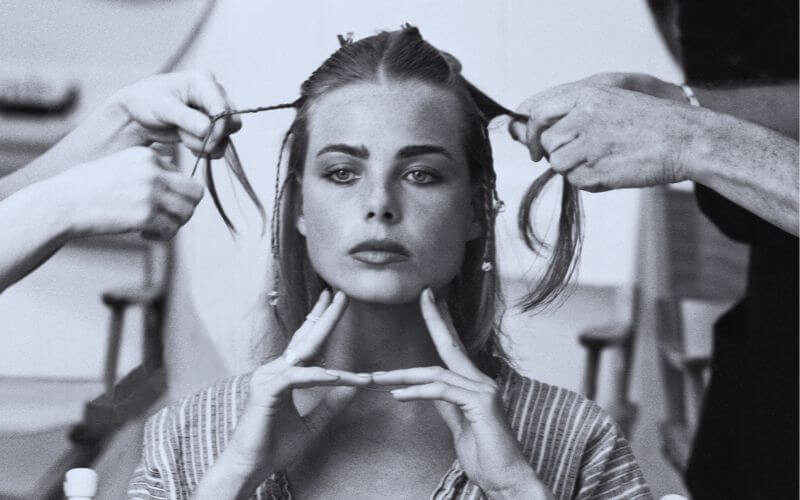
So, how did Margaux step into the limelight, you ask? Standing nearly six feet tall, with striking features that commanded attention, Margaux didn’t just enter the modeling world she conquered it. By the mid-1970s, magazines like *Cosmopolitan*, *Elle*, *Harper’s Bazaar*, *Vogue*, and *Time* were flaunting her image on their covers. She had an iconic look that screamed ‘supermodel,’ and she wasn’t just any model. She landed a million-dollar contract with Fabergé to be the face of their Babe perfume. Imagine, being the world’s highest-paid model and declaring, “I am not a Hemingway by accident. It’s the best name in the world.” Well, she certainly lived up to the name, not by accident, but by sheer star power.
From Runway to Film Reels
Now, here’s where her story takes a different turn. Margaux wasn’t just content being the face everyone recognized; she had aspirations for more. She stepped into acting with a splash in the 1976 film *Lipstick*, which, despite receiving mixed reviews, placed her on the Hollywood map. You could say she had some guts, navigating acting in a film alongside her sister Mariel and the formidable Anne Bancroft.
The screen could be a harsh critic, and Margaux found that out first-hand. While she scored roles in films like *Killer Fish* (1979) and *They Call Me Bruce?* (1982), the transition from supermodel to superstar actress was rocky. The movie scripts she attracted later were often low-budget, and sometimes she was pitching psychic hotlines instead of movie plots. It wasn’t what she envisioned, but she kept at it, showing resilience in a challenging field.
The Heart of Her Personal Life
Privately, Margaux’s life was as vibrant and turbulent as the media depicted. With high-profile marriages to Errol Wetson and Bernard Foucher, her personal affairs were public spectacles, peppered with candor and catastrophe. Those marriages, sadly, ended amidst chaos, filled with the kind of drama that tabloids feasted on might be fair to say she lived it like she meant it.
But let’s not forget the human being beneath the headlines. Her lifestyle party-packed and vivacious couldn’t hide the underlying struggles. Familial pressures, personal losses, and public scrutiny took their toll. She shared her battles with addiction openly, adding layers to an already complex life story.
Facing Her Demons
Alcoholism, depression, and a family history that people whispered about as a ‘curse’ haunted Margaux. She’s not alone in this fight many of us wrestle with demons, right? The Betty Ford Clinic became a battle ground for her in 1988, as she sought sobriety. Not to mention, the physical challenge she endured after a skiing accident that affected her deeply.
In a cruel twist, her mother succumbed to cancer around the same time, a heartache that magnified her own despair. Life seemed continually unkind, and these episodes contributed to her mounting debts and isolation. It seemed that for every step forward, life nudged her two steps back. Sometimes it’s hard to win, even when the world thinks you’re on top.
A Tragic Farewell
Margaux’s life came to a distressing end on July 1, 1996, at the young age of 42. Found in her Santa Monica apartment, her death echoed the tragic theme that had loomed over her legacy a suicide by drug overdose, hauntingly close to the anniversary of her grandfather’s own despairing exit. It wasn’t just an end, but left a void filled with unanswered questions and deep reflections.
Skin deep beauty and sparkle aside, Margaux Hemingway left behind lessons of resilience and the tragic costs of fame. Her sister Mariel described her as “a beautiful, generous, and kind soul.” Margaux was not just the star in the limelight; she was a beacon of the reality faced by many, a stark reminder of the dual-edged sword that fame can be.
The Legacy She Left Behind
So, what do we make of Margaux Hemingway’s story? It’s a tale of triumph, tragedy, and the unyielding human spirit. Her life, though marred by struggles, also radiates an enduring legacy in both fashion and film. Margaux’s story encourages conversations about mental health and the often unseen battles that many face.
Her essence and influence continue to ripple, inspiring new generations to understand the blend of light and shadow that each person carries. For Margaux, her radiance wasn’t dimmed by her struggles perhaps overshadowed, but never diminished.
Let’s reflect on her life not just as a story, but as a testament to the complex beauty of being human. Here’s a space where you can explore more about influential figures like Margaux and their contributions. Check it out here: Discover More.
In the end, Margaux Hemingway leaves us with an enduring question: What does it mean to live fully, with all its messy, imperfect beauty? It’s a question worth pondering as we navigate our own paths in this vast, unpredictable world.
Also Read: