
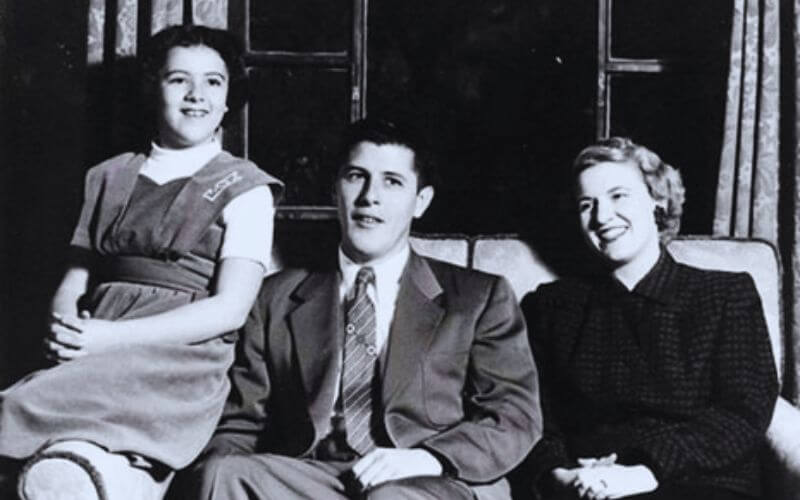
Ruth Nidesand also known by her married names Ruth Ndesandjo, Ruth Beatrice Baker, and Ruth Baker was an American‑born teacher whose life intersected with one of the most historically significant families of the 20th and 21st centuries. She is best known for marrying Barack Obama Sr., the Kenyan economist who fathered Barack Obama, the 44th President of the United States. Ruth’s unique journey from the United States to Kenya, and the life she built there, makes her story compelling not just for history buffs, but for anyone interested in personal sacrifice, cross‑cultural experiences, and blended family legacies.
Though seldom in the spotlight herself, Ruth’s life is intricately tied to both American and Kenyan history through her marriage, family, and the legacy of her children. This article explores her life from early beginnings to her lasting influence, presenting a full and insightful portrait.
Who Is Ruth Nidesand?
Ruth Nidesand, also known by several names including Ruth Ndesandjo, Ruth Beatrice Baker, and Ruth Baker, is an American-born teacher who became known through her marriage to Barack Obama Sr..
Born and raised in the United States, she pursued higher education and eventually attended Harvard University. Her life changed dramatically when she met Barack Obama Sr., a Kenyan economist studying abroad. Their relationship eventually led her to move to Kenya, where she spent years building a family and adapting to a very different cultural environment.
Although she never sought public attention, Ruth Nidesand became part of a family history that would later gain global recognition when Barack Obama Sr.’s son, Barack Obama, became President of the United States.
Early Life and Background
Ruth Beatrice Baker was born and raised in the United States, where she pursued education, eventually becoming a teacher. Though many popular narratives have focused on her later life, her early years in America laid the foundation for her commitment to education and community life. According to genealogical records, Ruth grew up in an environment that valued learning and cultural understanding, which shaped her professional path as an educator before she met Barack Obama Sr.
While many details of her early life remain private, it’s clear that Ruth carried her American cultural heritage with her when she eventually traveled abroad a decision that would redefine her life and the future of her family. Her upbringing in the United States instilled a global outlook that later helped her navigate life in an entirely different part of the world.
Career and Professional Journey
Before her marriage, Ruth worked as a teacher, a profession grounded in patience, communication, and nurturing qualities that proved invaluable in her subsequent life in Kenya. Although she stepped away from formal teaching after moving abroad, she continued to be associated with educational environments, contributing to local community life and maintaining a passion for helping young people learn and grow.
Her educational background also included attending Harvard University, where Barack Obama Sr. was studying as a graduate student. It was during this academic chapter that their lives first crossed paths, paving the way for an unexpected future.
While Ruth did not pursue a high‑profile public career, her professional identity as an educator remained a central part of who she was both to her family and to those who knew her in Kenya.
Meeting Barack Obama Sr.
Ruth met Barack Obama Sr. in Cambridge, Massachusetts, where both were connected to Harvard University. Obama Sr., a bright Kenyan student studying economics, and Ruth, an American teacher with a promising career, began a relationship that would lead her to leave her home country.
Their meeting in the mid‑1960s was, in many ways, a convergence of two very different worlds Ruth’s American roots and Obama Sr.’s Kenyan heritage. At the time, Barack Obama Sr. had already completed earlier studies and was pursuing additional academic work in the United States. After becoming romantically involved, Ruth made the life‑altering decision to follow him back to Kenya, demonstrating a level of commitment that would shape the rest of her life.
Marriage and Life in Kenya
On December 24, 1964, Ruth Beatrice Baker married Barack Obama Sr. in Kenya, making her his third wife. After their marriage, she settled in Nairobi, where she adapted to a new culture, climate, and lifestyle far removed from her life in America.
Life in Kenya offered both opportunity and challenge. On the one hand, Ruth embraced her new community, contributing to local life and supporting her growing family. On the other hand, adjusting to a foreign country socially, culturally, and emotionally was a significant transition. Kenya in the 1960s was a nation emerging from colonial rule, and its cultural landscape was complex and rapidly evolving. For Ruth, integrating into this world as an American woman required adaptation and resilience.
Despite these challenges, Ruth remained committed to family life and her role as a parent. She helped raise her children in a multicultural environment, blending American and Kenyan influences in the upbringing of her sons.
Family and Children
Ruth and Barack Obama Sr. had two sons together, Mark Okoth Obama Ndesandjo (born 1965) and David Ndesandjo (born 1967). Growing up in Kenya, their household was a blend of American and Kenyan cultures.
Their son Mark later became widely known due to his connection with President Barack Obama, his half‑brother. Mark pursued higher education and went on to live abroad, including significant time in China where he worked in marketing, business consulting, and philanthropy. Mark’s perspectives on his upbringing and his father have been shared in interviews and writings, offering insight into the family dynamics and challenges they faced.
Tragically, Ruth and Barack Sr.’s first son David died in a motorcycle accident as an adult. However, Ruth’s nurturing influence was significant in both sons’ lives, even as they navigated the complexities of identity and legacy shaped by their father’s influence and absence.
Life After Divorce
Although Ruth and Barack Obama Sr. initially shared a life in Kenya, their marriage eventually ended in separation in 1971, with divorce finalized around 1973. After their separation, Ruth made the decision to remain in Kenya and continue building a life for her family there.
Following the divorce, Ruth remarried, and both she and her sons adopted her new husband’s surname, Ndesandjo, a name that has since become associated with her family’s legacy. This move marked a new chapter for Ruth one where she balanced single parenting, cultural adaptation, and personal growth in a country that had become her adopted home.
Though her marriage to Barack Obama Sr. ended, Ruth remained rooted in Kenya, raising her children and contributing quietly to her community. She lived much of her later life out of the public eye, but her story remained tied to history through her children and the broader Obama family narrative.
Personal Life and Interests
While much of Ruth’s life was shaped by her family roles, those who knew her have described her as a dedicated mother with a passion for education and cross‑cultural understanding. Her personal interests reflected her profession and her willingness to embrace a life that bridged continents from her early years as a teacher in the United States to her life in Kenya.
Her decision to travel across the world, adapt to a new culture, and raise her children abroad spoke to her resilience and independence. Whether in the classroom or at home, Ruth’s life was grounded in care, learning, and determination. While she was not a public figure in her own right, her personal impact on her children and her community was profound.
Legacy and Influence
Ruth Nidesand’s legacy is multifaceted. On one level, she is remembered as the third wife of Barack Obama Sr. a role that connects her to one of the most notable political families in modern history. On another level, she is loved by her family for her strength, warmth, and commitment to education and family life.
Her influence continues through her children, especially Mark, who has shared aspects of his life and reflections tied to his upbringing and heritage. Through him and others who knew Ruth, her story remains a testament to courage, adaptability, and the complexities of family bonds across cultures.
Conclusion
Ruth Nidesand an American teacher who embraced life in Kenya lived a life that defied simple categorization. Her journey from the United States to East Africa, her marriage and family life, and her personal resilience make her a fascinating figure in the wider narrative of international cultural exchange and family history.
While her name may not be widely known outside historical discussions of Barack Obama Sr., her life reflects a rich tapestry of choices, challenges, and legacies. Ruth’s story reminds us that individual lives even those lived largely outside the public eye can intersect with history in remarkable ways.
Also Read: